
Trinity Week
Also known as: Week after Pentecost, Sedmitsa after Pentecost
P+50 → P+56· Movable · Paschal cycle
The fast-free week following Pentecost, when the Church rejoices in the gift of the Holy Spirit before resuming the fasting cycle with the Apostles' Fast.
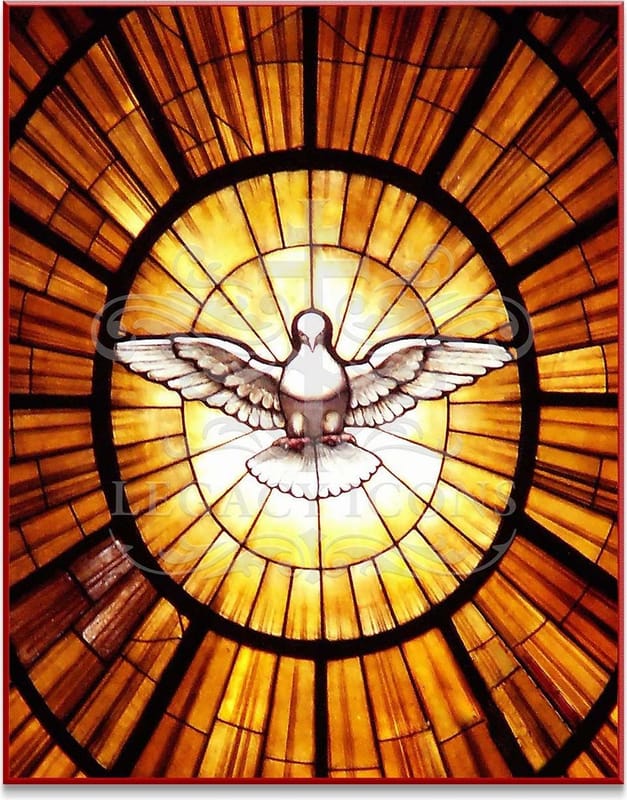
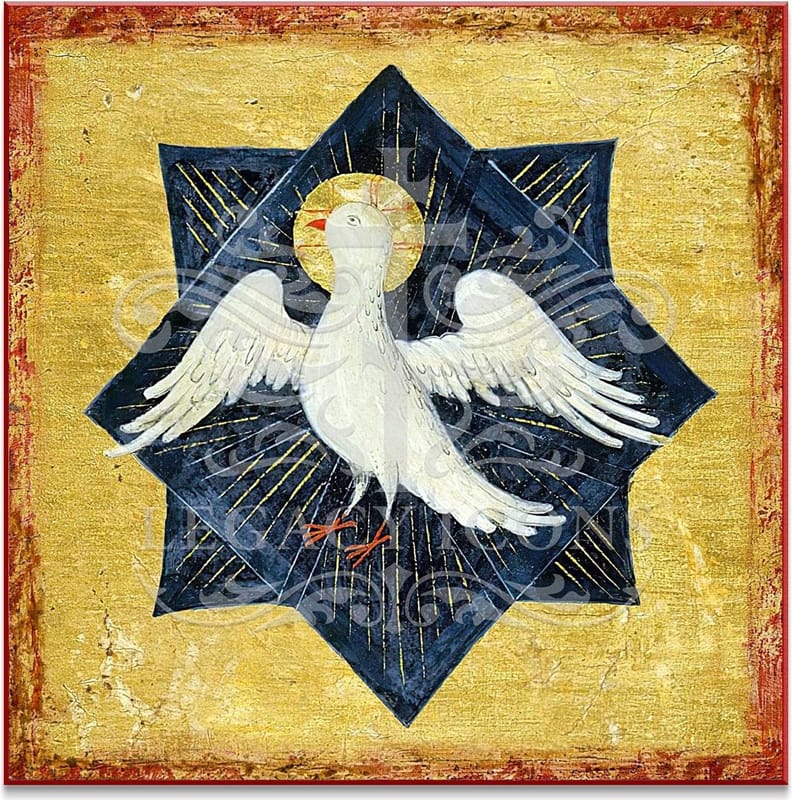
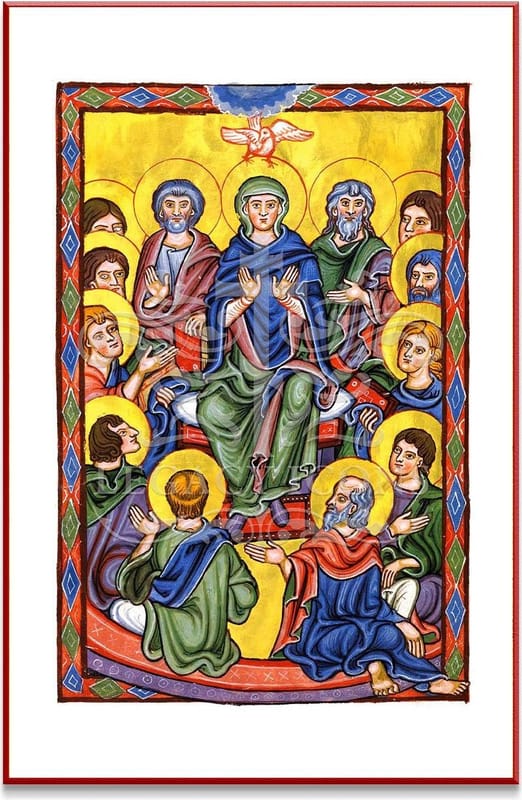
Depictions & Icons
How the Church has written this feast — festal icons across the centuries.
Overview
Trinity Week is the fast-free week that follows the feast of Pentecost, during which the Church continues to rejoice in the descent of the Holy Spirit before the ordinary rhythm of fasting resumes. In the New (Revised Julian) calendar convention used here, it runs from the day after Pentecost (P+50) through the following Saturday, ending on the Sunday of All Saints (P+56).
The week takes its name from the celebration of the Holy Trinity revealed at Pentecost, when the Spirit descended upon the apostles. Its first day, the Monday after Pentecost, is kept as the Monday of the Holy Spirit (also called Spirit Monday or Whit Monday), dedicated specifically to the honour of God the Holy Spirit; the following Tuesday is known as the Third Day of the Trinity.
As a fast-free week, no fasting is kept during these days — not even on the Wednesday and Friday that are normally fast days — in continued celebration of the Spirit's coming. The week closes on the Sunday of All Saints, and the Apostles' Fast begins the very next day, restoring the fasting cycle.
History
Trinity Week belongs to the moveable liturgical season governed by the Pentecostarion, the Orthodox service book that supplies texts from Pascha through the feast of All Saints. That season unfolds across seven Sundays and fifty days, from Bright Week through Mid-Pentecost (the twenty-fifth day), the Ascension (the fortieth day), and Pentecost (the fiftieth day) as the fulfillment of Christ's mission. Trinity Week is the afterfeast that immediately follows Pentecost, and the Pentecostarion closes with the Sunday of All Saints that ends it.
In the Eastern Orthodox observance the celebration of Pentecost extends across three days: Trinity Sunday, followed by the Monday of the Holy Spirit and the Third Day of the Trinity on Tuesday. On the Monday of the Holy Spirit many of the same hymns are sung as on Pentecost Sunday itself; the deacon intones the identical opening, and special canons to the Holy Spirit are chanted at Compline and Matins. The name 'Whit Sunday' is generally attributed to the white garments formerly worn by the newly baptised, and the observance of Whit Monday as a holiday has remained common in more than forty countries.
The afterfeast continues for the whole week, during which fasting restrictions are suspended even on the traditionally fasting days of Wednesday and Friday. On Pentecost evening the Kneeling Vespers service is held, an extraordinary service marking the transition from the Paschal celebration toward the resumed fasting cycle: for the first time since Pascha, prostrations and kneeling return, after the fifty days from Pascha through Pentecost kept without them in recognition of the Resurrection joy.
Trinity Week ends on the Sunday of All Saints, which closes the Paschal season with special scriptural readings and hymns to all the saints drawn from the Pentecostarion. In some Slavic traditions a second Sunday after Pentecost celebrates local church saints, and a third Sunday may honour still more localised saints such as All Saints of Mount Athos or regional martyrs. The Apostles' Fast then begins on the Monday following All Saints Sunday — the second Monday after Pentecost — and extends until the feast of Saints Peter and Paul on June 29; its duration varies with the date of Pascha, ranging from as few as eight days to as many as forty-two.
Meaning
Trinity Week gives the Church a sustained period to dwell on the gift of the Holy Spirit poured out at Pentecost. The suspension of fasting through the whole week, including its Wednesday and Friday, expresses this joy in bodily as well as liturgical terms: the celebration of the Spirit's descent is not confined to a single day but is allowed to fill the week that follows.
The week is structured to honour the Holy Trinity revealed in the economy of salvation — the Son having ascended and the Spirit having come — with its opening days dedicated in turn to the Holy Spirit and to the Trinity itself. In this it completes the fifty days of Paschal rejoicing: the joyful Pentecost season represents Christ's presence with his disciples, and after the Resurrection the apostles began to prepare for their departure from Jerusalem to spread Christ's message.
The Kneeling Vespers of Pentecost, with its three sets of long poetical prayers attributed to Saint Basil the Great, marks the theological hinge of this moment. The return of prostrations after fifty days without them signals the movement from Resurrection joy back toward ascetic preparation. Uniquely, these prayers include a petition for those in hell, that they may be granted relief and even ultimate release — an expression of the Church's hope extended to the departed.
Trinity Week's closing on the Sunday of All Saints binds the gift of the Spirit to its fruit in the saints. That Sunday honours all the saints, both those known to the Church and those known only to God — Apostles, Martyrs, Prophets, and Monastics — understood as perfected by the same Holy Spirit whose coming the week celebrates. The Apostles' Fast that begins the next day carries the apostles' own preparation forward: joyful celebration precedes the spiritual labour of fasting, just as Pentecost preceded the apostles' mission.
Hymnography
On the Monday of the Holy Spirit many of the same hymns are sung as on Pentecost Sunday, and the deacon intones the identical opening as on the feast itself. Special canons to the Holy Spirit are appointed at Compline and at Matins during the afterfeast. The season's texts are supplied by the Pentecostarion, and the Sunday of All Saints that closes the week adds its own hymns to all the saints, known and unknown.
Fasting in Practice
The Church's practice during Trinity Week is to keep no fast at all. In continued celebration of the descent of the Holy Spirit, the fasting restrictions that would ordinarily fall on Wednesday and Friday are suspended for the whole week. In this the week stands as a structural parallel to Bright Week after Pascha, when fasting is likewise set aside entirely. The fast-free period closes on the Sunday of All Saints, after which the Apostles' Fast begins on the following Monday and continues until June 29.
Customs & Traditions
Kneeling prayers are offered at Vespers on Pentecost itself — the Kneeling Vespers, with three sets of long poetical prayers attributed to Saint Basil the Great — marking the first prostrations since Pascha.
The liturgical colour employed throughout the season is green, and clergy and faithful may carry flowers and green branches during services.
Churches are decorated with greenery and flowers, a practice paralleling the Jewish festival of Shavuot.
The whole festal week that follows Pentecost is kept fast-free until the Sunday of All Saints closes it.
Parallel with Bright Week
Trinity Week serves as a structural parallel to Bright Week, the first week following the Resurrection. During Bright Week fasting is completely prohibited to all Orthodox and the entire week is treated as one continuous day, with the Royal Doors kept fully open as a sign of the open door of Christ's empty tomb. Trinity Week similarly suspends fasting for the week following Pentecost, in continued celebration of the descent of the Holy Spirit, before the Apostles' Fast begins on the Monday after All Saints Sunday.
Fasting is described here at the season-summary level and differs by jurisdiction and person — please consult your parish priest about how to keep the fasts.